banner

Trip blogs from: Madagascar

Home Biota: what is it? Animals Plants Birds NL EN

This page shows the blog pages. For most trips, there is one blog per day. Clicking on the photo for a day will take you to a slider: a photo carousel that shows the photos large. Clicking on the title will take you to another page with more information about the photos.

The link Top will take you back to the top of this list.
TitleDay 2: The first day in Madagascar
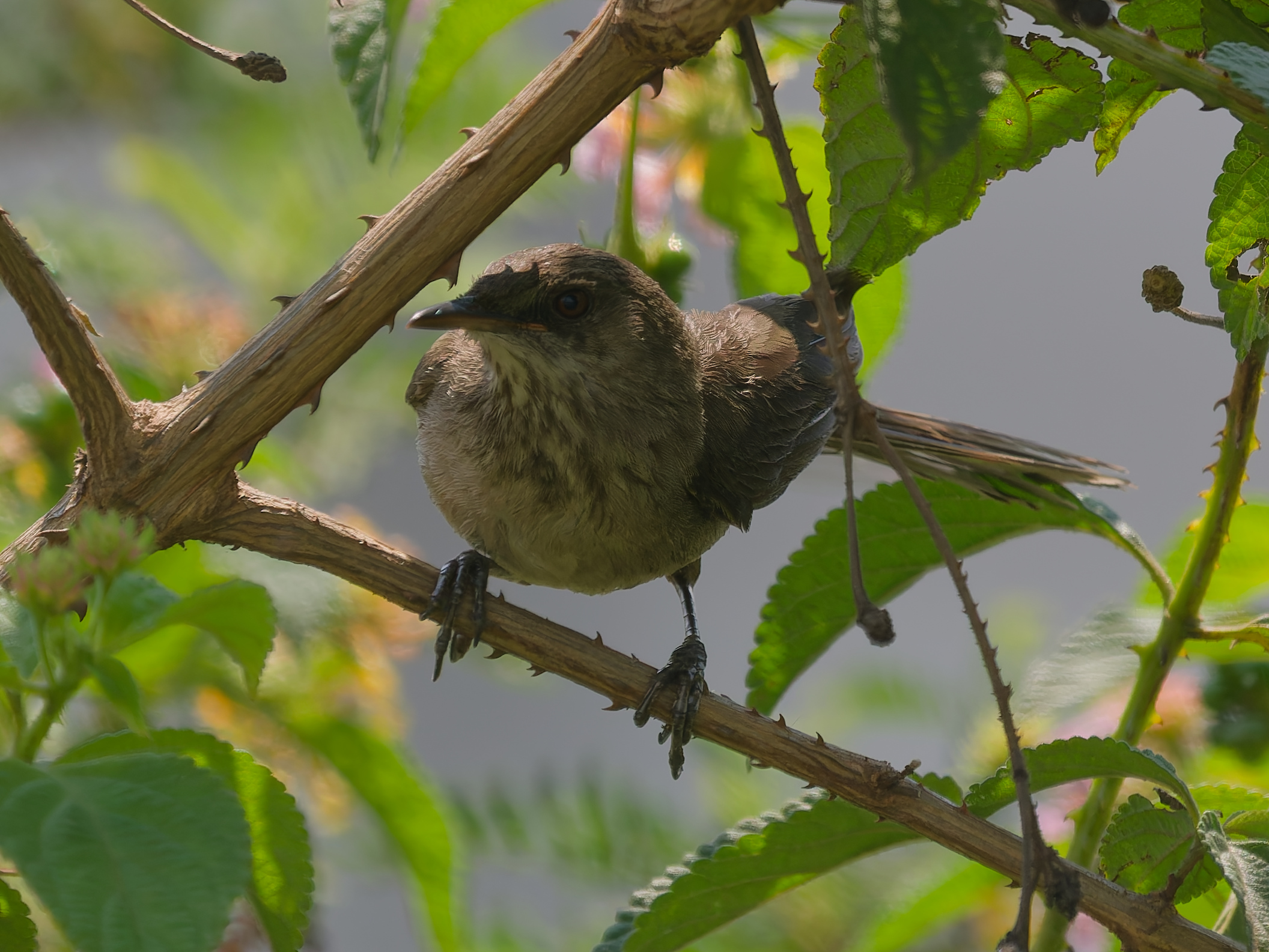
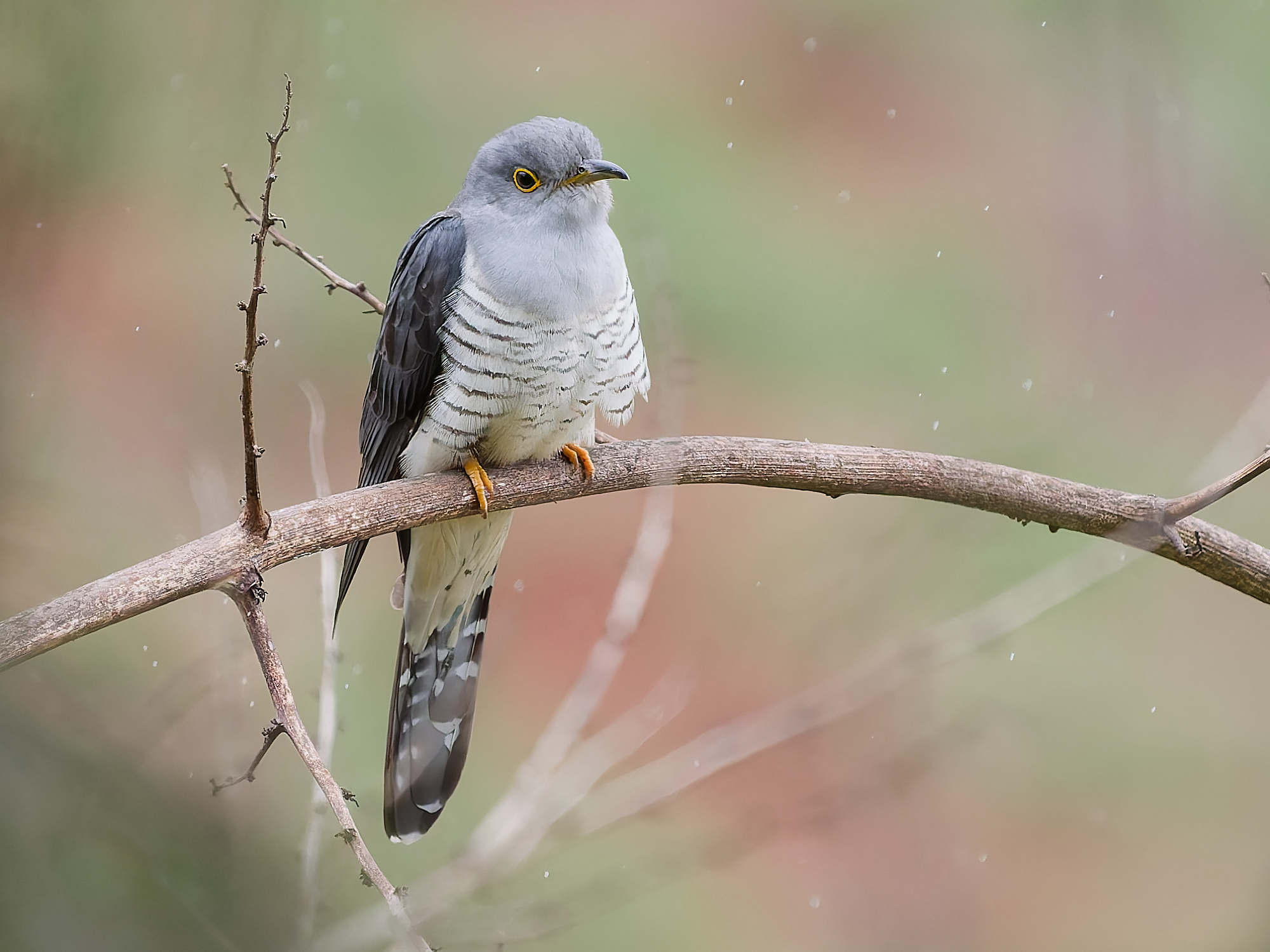
On the first day, we started watching birds from our terrace. The first 10 species showed themselves, and later they allowed themselves to be photographed as well. It was rainy, but we did take a short walk to the vegetable and rice fields. In the village, the children are healthily curious. And so are the parents, peering out of their windows. We got soaked in the rain. But according to the locals, that was nothing; the real rain doesn't come until mid-November. So we can take that into account too.
Date:2026-10-30
TitleDay 3: The royal complex
Today according to the lodge's program. We start with a visit to the UNESCO World Heritage site of Ambohimanga Rova, where the princes lived. Afterwards, we go to Haute Ville, the upper town where we also expected a park, but it was only a viewpoint. We did get an impression of the city of millions, though. It was very busy, with many people and single-axle wagons pulled by people. The last visit was to another old fortress, but it was closed. Fortunately, there were birds there.
Date:2026-10-31
TitleDay 4: Walk and rest
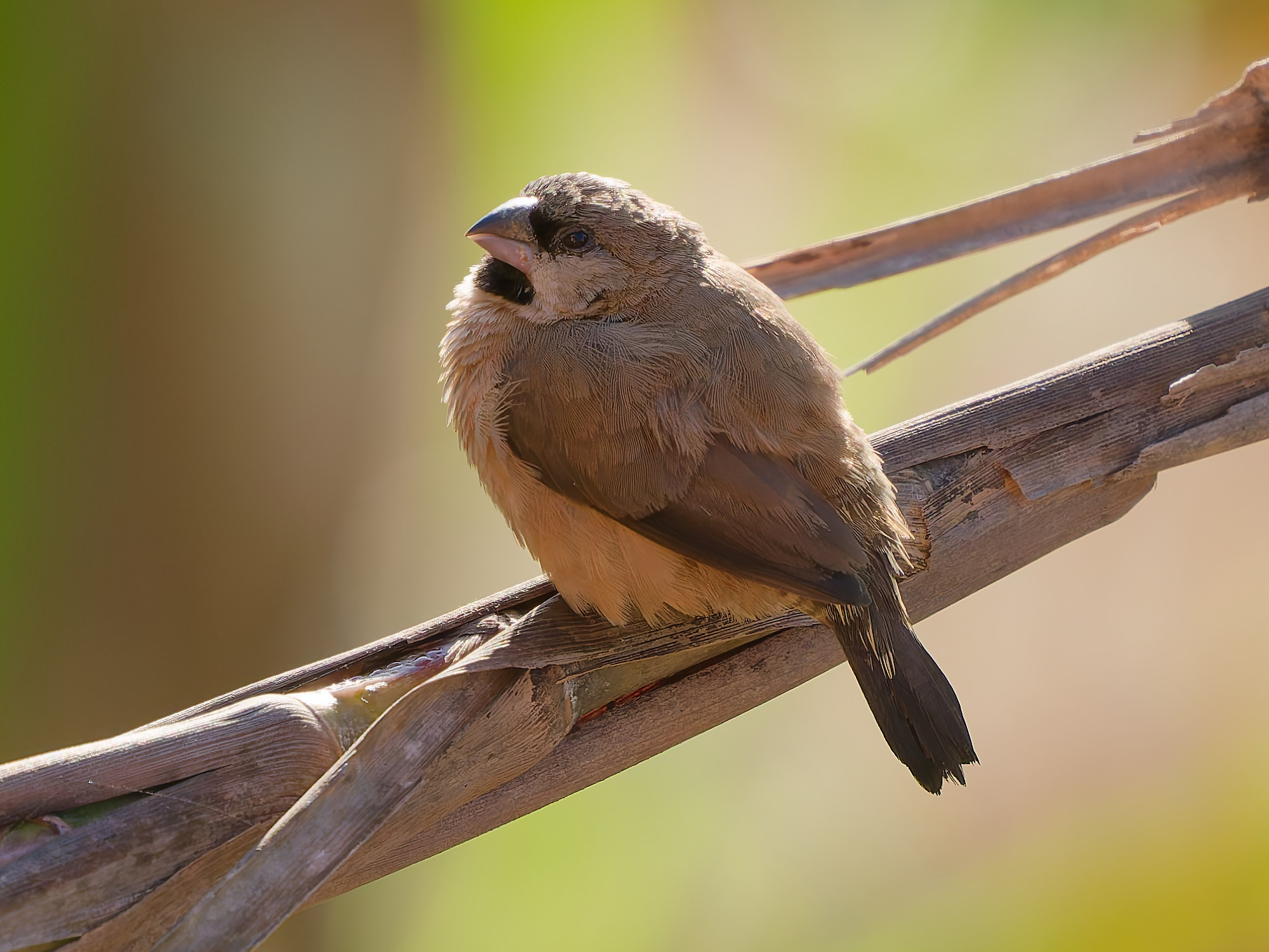
Today starts with mannikins in front of my room. They are very small birds that feed on grass seeds. In the morning, I take a short walk in the area with an intern. The roads are full of potholes; it was quite tough for me. It yielded few photos, only mynas, which are everywhere. That is why the mynas are the banner birds for Madagascar.
Date:2026-11-01
TitleDay 5: Lemurs
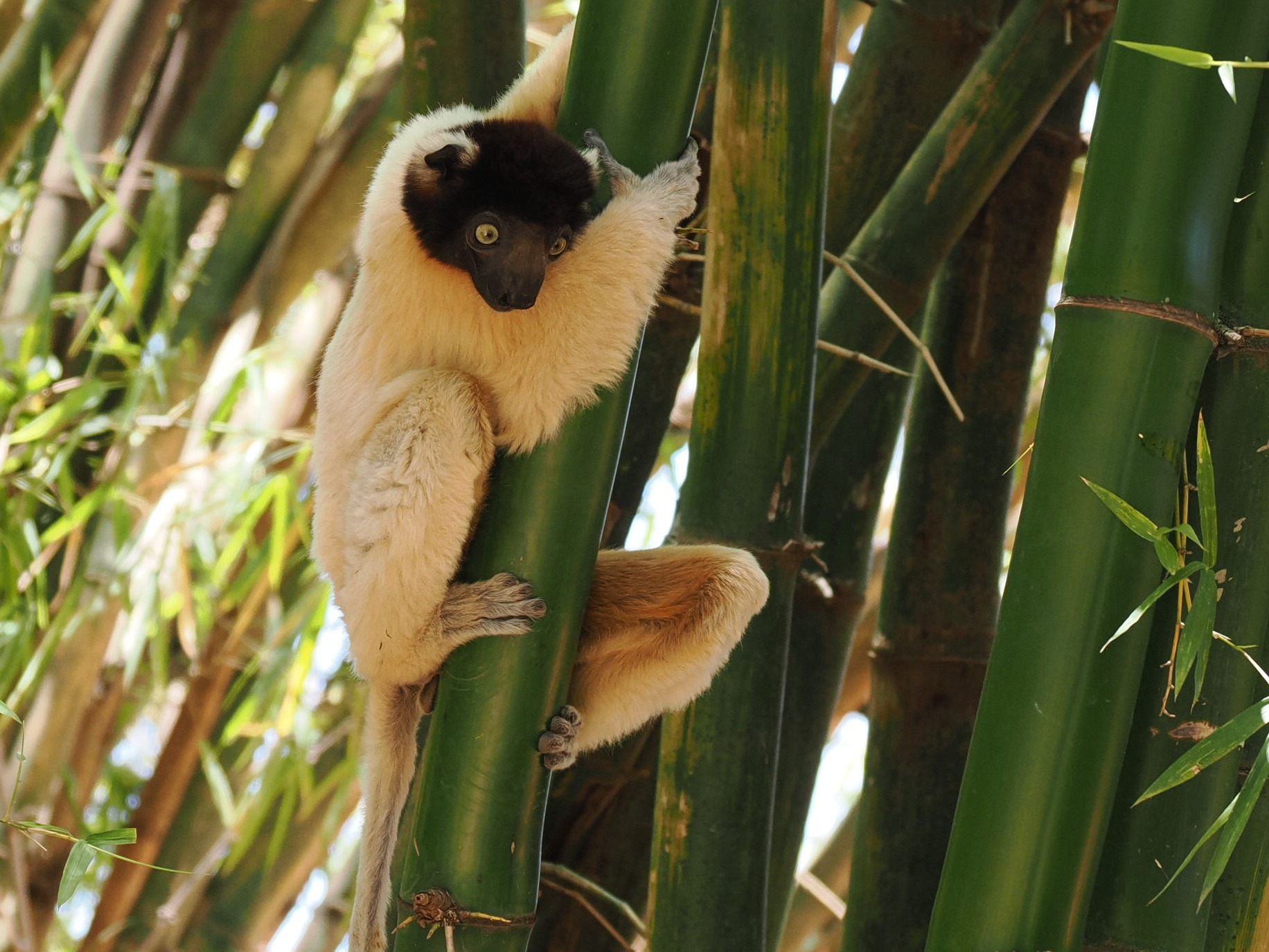
We went to the lemur park. According to Google, it is only a 47-kilometer drive, but due to the heavy traffic in the city, the drive easily takes two to three hours. The park covers an area of about four kilometers where the lemurs roam freely. Groups of different species are kept, with each species having its own territory. Young animals are rejected by their parents after a few years. To keep the population genetically healthy, these animals are exchanged with other parks. Conversely, the park also takes in animals that can no longer live in their original group for various reasons.
Date:2026-11-02
TitleDay 6: A rest day
The previous day was quite tiring, actually just because of the traffic. So today I looked at the photos of the lemurs a bit and rested.
Date:2026-11-03
TitleDay 7: Birdwatching in Tana
We are joining the Birdingreaks group to explore Madagascar. We start by exploring lakes in the capital, Antananarivo. We see a number of new species, mostly species that are just slightly different in color or behavior than in Africa or Europe. But there are species that occur almost worldwide, such as the great egret.
Date:2026-11-04
TitleDay 8: Flying south
This is actually the first birding day that was planned. In the morning, we look around at a small lake, and then we fly to Toliara, a small town in the very poor south.
Date:2026-11-05
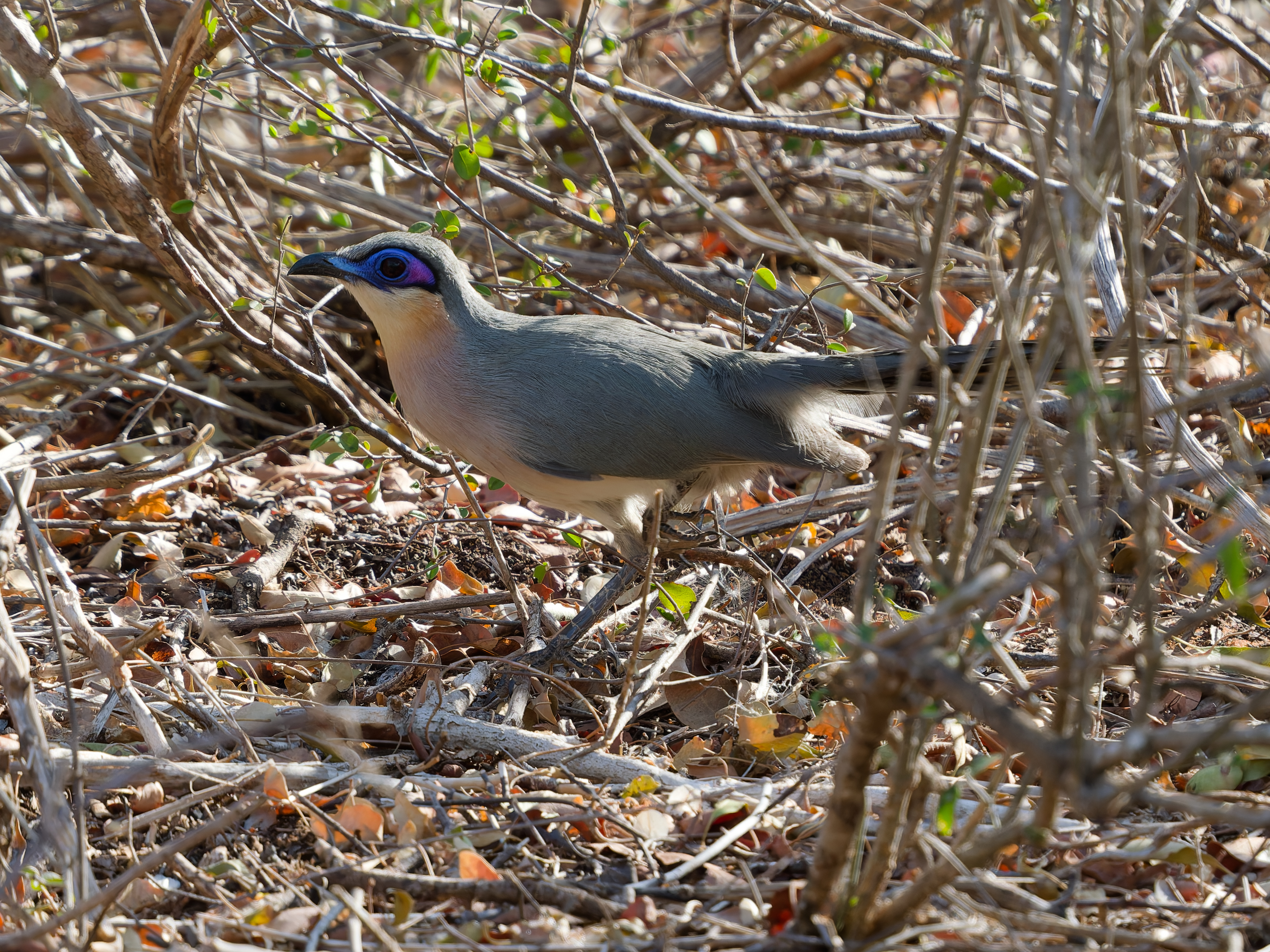
Coua cursor / Running coua / Rencoua
TitleDay 10: The special species of Madagascar
I had to skip a day. This morning, the guides ran a path through an area with low bushes. The Dutch guide followed behind, then the birdwatchers, and I stayed at a distance. The persistent ones had spotted their target species, but I couldn't handle it. This afternoon, a number of special birds in the Spiny Forest are on the program. This area is home to several species found only in the southwest of Madagascar. The guides here know roughly where the birds are. Then three of them flush a target bird towards the birdwatchers so that it can be viewed or photographed up close. In this way, they can indicate in advance which species we are going to see.
Date:2026-11-07